Pharma Testostrone
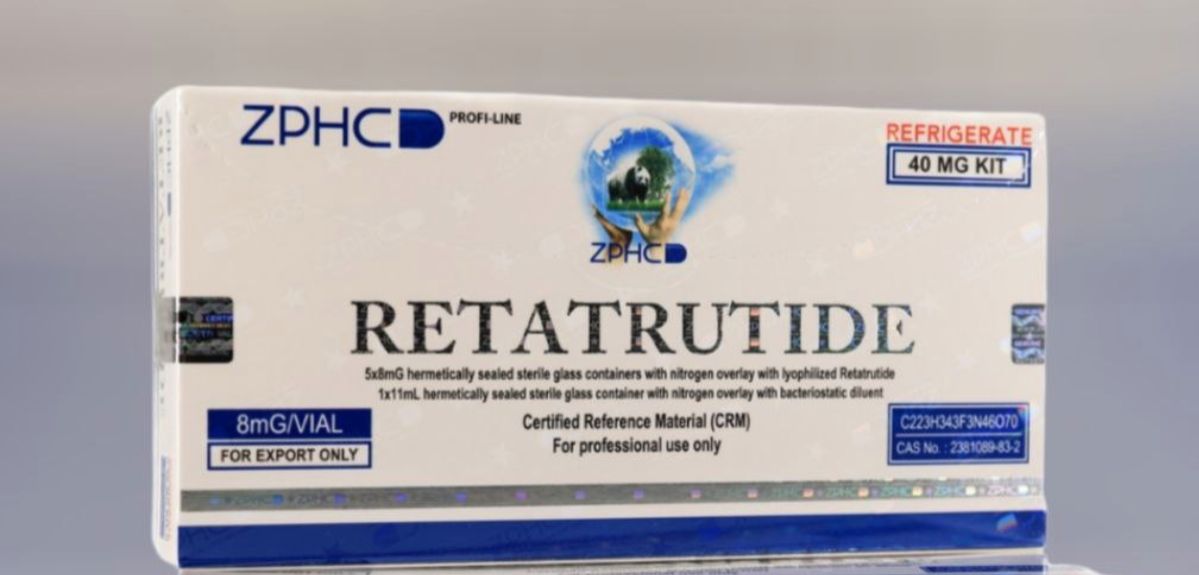
ZPHC Retatrutide 40mg Kit | Advanced Triple Agonist Peptide
ZPHC Retatrutide 40mg Kit | Advanced Triple Agonist Peptide
Couldn't load pickup availability
ZPHC Retatrutide 40mg Kit | Weight Loss & Metabolic Injection Guide
ZPHC Retatrutide 40mg Kit is associated with retatrutide, an investigational peptide being studied for its activity across three important hormone receptor pathways: GIP, GLP-1, and glucagon. Because of this three-pathway activity, retatrutide is commonly described as a triple hormone receptor agonist or triple agonist.
Retatrutide is also known by the development code LY3437943. Current research is examining its potential role across several metabolic and cardiometabolic conditions, making retatrutide an important subject of ongoing pharmaceutical research.
What Is ZPHC Retatrutide 40mg Kit?
ZPHC Retatrutide 40mg Kit is a product name associated with retatrutide research material. The exact composition, formulation, purity and laboratory specifications of any particular ZPHC product should be confirmed through the manufacturer's current documentation and applicable certificate of analysis.
Retatrutide itself is being investigated as a single molecule capable of activating three receptor systems:
- GIP receptor
- GLP-1 receptor
- Glucagon receptor
This combination distinguishes retatrutide from compounds that act on only one or two of these pathways.
Retatrutide as an Advanced Triple Agonist Peptide
Retatrutide is described by Eli Lilly as a first-in-class GIP, GLP-1 and glucagon triple hormone receptor agonist. The molecule is being studied in Phase 3 clinical trials across multiple indications.
The three receptor pathways are important to current metabolic research:
GIP Receptor
GIP, or glucose-dependent insulinotropic polypeptide, is a hormone involved in metabolic signaling. Researchers are studying how activation of the GIP receptor contributes to the overall activity of retatrutide.
GLP-1 Receptor
GLP-1, or glucagon-like peptide-1, is another important metabolic hormone. GLP-1 receptor signaling is an established area of pharmaceutical research involving glucose regulation and appetite-related pathways.
Glucagon Receptor
Glucagon is involved in metabolic regulation and energy balance. Retatrutide's ability to activate the glucagon receptor alongside GIP and GLP-1 is one of the features that makes it a distinctive research molecule.
Why Is Retatrutide Called a Triple Agonist?
Retatrutide is called a triple agonist because it activates three hormone receptors rather than focusing on only one receptor pathway.
The three targets can be summarized as:
GIP + GLP-1 + Glucagon
This terminology is more scientifically appropriate than calling retatrutide “GLP-3.” Lilly notes that GLP-3 is not an official scientific classification for retatrutide.
Retatrutide Research
Retatrutide is currently being evaluated in a broad clinical development program. Research has included obesity, type 2 diabetes, cardiovascular and renal outcomes, knee osteoarthritis pain, obstructive sleep apnea, chronic low back pain and metabolic dysfunction-associated steatotic liver disease.
ClinicalTrials.gov currently lists Phase 3 studies involving retatrutide, including research comparing retatrutide with tirzepatide in adults with obesity.
ZPHC Retatrutide 40mg Kit and Metabolic Research
One reason retatrutide has attracted significant scientific interest is its multi-receptor mechanism.
Researchers are investigating whether simultaneous activation of GIP, GLP-1 and glucagon receptors can produce different metabolic effects compared with single- or dual-receptor approaches.
This makes Retatrutide research an important area within current metabolic and cardiometabolic pharmaceutical development.
ZPHC Retatrutide 40mg Kit — Product Considerations
When evaluating a research product described as ZPHC Retatrutide 40mg Kit, researchers should verify product-specific documentation before making any laboratory or quality claims.
Important documentation may include:
- Product identification
- Batch or lot number
- Certificate of Analysis (COA)
- Purity information
- Analytical testing
- Storage requirements
- Manufacturer documentation
- Intended research use
Product-specific specifications should always be taken from the actual manufacturer's documentation rather than assumed from the product name.
Retatrutide and Current Clinical Development
Retatrutide has progressed into Phase 3 clinical development. In July 2026, Eli Lilly reported positive topline results from additional Phase 3 trials and stated that it planned to submit a Biologics License Application for retatrutide in the first quarter of 2027.
These developments demonstrate the growing scientific interest in the molecule, but clinical-trial results do not mean that every product marketed under the retatrutide name is an approved medicine.
Frequently Asked Questions
What is ZPHC Retatrutide 40mg Kit?
ZPHC Retatrutide 40mg Kit is a product name associated with retatrutide research material. Product-specific specifications should be verified using the manufacturer's documentation and COA.
What is retatrutide?
Retatrutide, also known as LY3437943, is an investigational molecule being developed by Eli Lilly. It activates GIP, GLP-1 and glucagon receptors.
Why is retatrutide called a triple agonist?
It is called a triple agonist because it activates three receptor pathways: GIP, GLP-1 and glucagon.
What is LY3437943?
LY3437943 is the development code for retatrutide.
Is retatrutide approved for public use?
As of August 2026, Lilly describes retatrutide as investigational and not yet available for public use. It remains under clinical development.
What are the three targets of retatrutide?
The three targets are:
GIP receptor + GLP-1 receptor + glucagon receptor.
Conclusion
ZPHC Retatrutide 40mg Kit targets a highly specific product-related search term while connecting the product topic with the broader field of retatrutide research.
Retatrutide is particularly notable because it is being investigated as a GIP, GLP-1 and glucagon triple hormone receptor agonist. Ongoing Phase 3 research continues to evaluate its potential applications and safety.
For research-related product evaluation, always verify the actual product's documentation, testing information and intended-use statement before making product-specific claims.